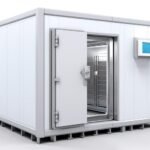
Clean Room (Temperature-Controlled)
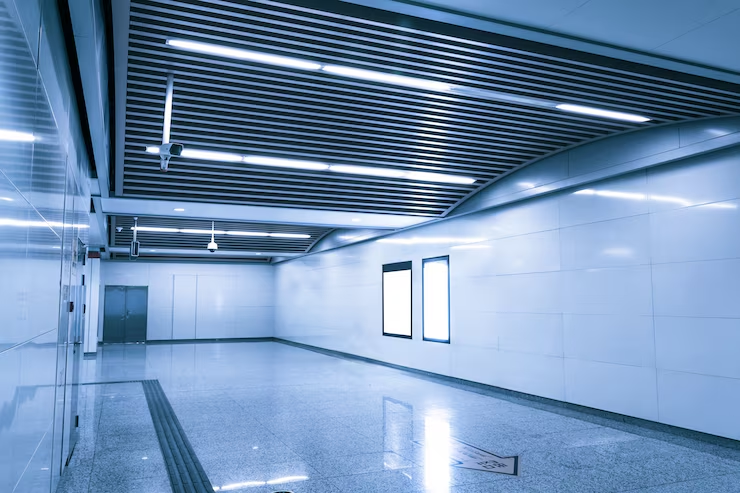
A clean room is a controlled environment designed to maintain extremely low levels of airborne particles, microbes, and chemical vapors. It’s essential in industries where even microscopic contamination can compromise product quality or safety.
Key Features
- Air Filtration: Uses HEPA or ULPA filters to remove dust, microbes, and other particulates.
- Airflow Control: Laminar airflow systems ensure clean air moves in a uniform direction, sweeping away contaminants.
- Pressure Regulation: Positive pressure prevents outside air from entering; negative pressure is used when containing hazardous materials.
- Temperature & Humidity Control: Maintains stable conditions to protect sensitive processes.
- Personnel Protocols: Workers wear specialized garments (coveralls, masks, gloves) to minimize contamination.
Applications:
- Pharmaceuticals: Manufacturing sterile medicines, vaccines, and biologics.
- Electronics: Semiconductor and microchip production.
- Biotechnology: Genetic research, tissue culture, and lab testing.
- Aerospace & Defense: Precision assembly of sensitive instruments.
- Food Industry: Packaging and processing of high-purity products.
Cleanroom Classifications:
Cleanrooms are classified based on the number of particles allowed per cubic meter of air:
– ISO Class 1: Ultra-clean, used for nanotechnology.
– ISO Class 5: Common in pharmaceutical manufacturing.
– ISO Class 7–8: Used in less sensitive industries like food processing.
Advantages:
- Protects product integrity.
- Ensures compliance with international standards (ISO, GMP).
- Reduces risk of contamination-related losses.