

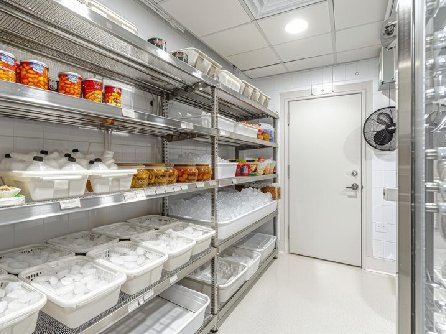
Processing Chamber
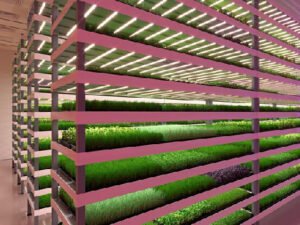
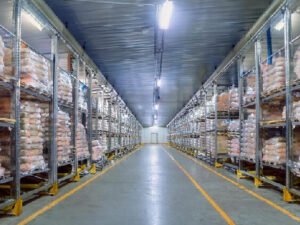
A processing chamber is a controlled environment designed to carry out specific industrial, scientific, or manufacturing processes under carefully regulated conditions. The exact design and function depend on the industry, but the core idea is to provide a sealed, engineered space where materials can be treated, transformed, or tested without contamination or interference from the outside environment.
Key Features
- Controlled Atmosphere: Can regulate temperature, pressure, humidity, or gas composition depending on the process.
- Isolation: Prevents contamination or unwanted reactions by sealing off the chamber.
- Specialized Equipment: May include heating elements, cooling systems, vacuum pumps, or gas injectors.
- Monitoring Systems: Sensors track process variables (temperature, pressure, gas flow, particle levels).
Applications:
- Semiconductor Manufacturing: Etching, deposition, and photolithography steps are carried out in process chambers under vacuum or controlled gas environments.
- Vacuum Technology: Chambers used for thin-film coating, material testing, or space simulation rely on vacuum systems to control gas loads and pressure.
- Pharmaceuticals & Biotech: Sterile processing of drugs, biologics, or tissue cultures.
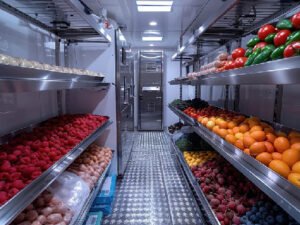
- Food Industry: Chambers for pasteurization, sterilization, or controlled drying.
- Materials Science: Heat treatment, chemical vapor deposition, or controlled atmosphere experiments.
Advantages:
- Ensures precision and repeatability of processes.
- Protects sensitive materials from contamination.
- Allows extreme conditions (high vacuum, high pressure, or ultra-clean environments) not possible in open air.
- Supports compliance with industry standards (ISO, GMP, semiconductor cleanroom protocols).